BRICS Cooperation Delivers Practical Gains for the Global South
- Contributor
- Breaking News
- September 10, 2026
By CGTN Digital Chief Editor Li Tianfu
From the decision to expand BRICS at the Johannesburg Summit in 2023 to the new phase of cooperation that began at the Kazan Summit in 2024, the grouping has become an increasingly important forum for countries of the Global South. Its appeal is not difficult to understand. Many developing countries are looking for ways to overcome long-standing economic constraints, reduce their exposure to external shocks and secure a more stable path to growth.
China, a founding member of BRICS and the world’s largest developing country, has been an active supporter of this process. Its role is not limited to advocating closer ties. Through development finance, infrastructure projects, trade and technology partnerships, China has worked with other members and developing countries to address practical needs and create new opportunities for growth.
Financing infrastructure: from commitments to concrete projects: For many developing countries, inadequate infrastructure remains one of the most persistent barriers to economic growth. Poor transport links make it more expensive to move goods. Unreliable electricity disrupts production, while limited access to water can constrain both industry and agriculture. Addressing these problems requires long-term investment, and financing is often one of the biggest obstacles.
The New Development Bank (NDB), established by the original five BRICS countries, was created to help meet this need. It provides an additional source of finance for infrastructure and sustainable development, giving member countries more options when pursuing projects that reflect their own priorities.
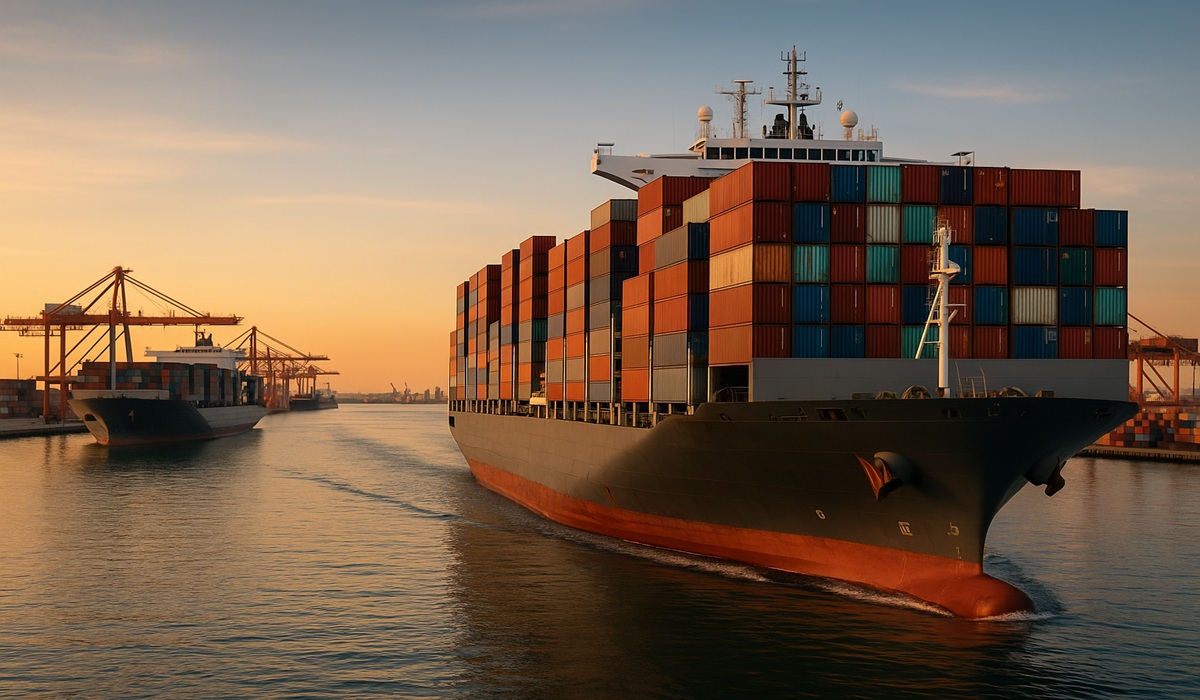
South Africa’s freight rail sector is a case in point. Years of insufficient maintenance and modernization have weakened the country’s rail network, raising logistics costs and limiting export capacity. In August 2024, the NDB signed a 5 billion rand loan agreement with Transnet, South Africa’s state-owned freight transport and logistics company, to support the modernization of its freight rail sector. The programme covers infrastructure renewal, locomotive overhauls and wagon fleet renewal, with the aim of restoring freight volumes and improving efficiency.
The bank’s portfolio has grown steadily. By June 30, 2026, it had approved 141 projects worth a combined US$44 billion in financing, with US$25 billion disbursed. The figures show how far the bank has come, although the real test will always be whether approved financing leads to completed projects and lasting economic benefits.
China has contributed to the bank’s development as a founding member and major shareholder. It has also shared its experience in infrastructure construction, project management and industrial development through BRICS and other bilateral and multilateral channels. For countries facing similar challenges, that experience can be useful in improving transport, expanding urban infrastructure and strengthening water management.
Financial cooperation: more options in an uncertain world: Developing economies are often particularly exposed to exchange-rate swings, external financing pressures and disruptions to international payments. These risks cannot be eliminated, but countries can reduce their vulnerability by broadening the financial tools available to them.
China has supported greater use of local currencies in trade and investment, closer links between financial institutions and efforts to improve cross-border payment arrangements. For businesses, such measures can mean lower transaction costs, better management of currency risks and more choices when settling international transactions.
The Kazan Declaration welcomed the use of local currencies in financial transactions between BRICS countries and their trading partners. It also encouraged stronger correspondent banking networks and further work on the voluntary, non-binding BRICS Cross-Border Payments Initiative. The declaration separately recognised the Contingent Reserve Arrangement (CRA) as a mechanism for addressing short-term balance-of-payments pressures and supporting financial stability.
These are different initiatives, and they should not be treated as though BRICS already has a single, fully operational payment system. What matters is that they can give participating countries additional options and, where feasible, reduce their dependence on any one arrangement.
Local-currency lending is another area where the NDB has sought to make a difference. Under its 2022-2026 strategy, the bank set a target of providing 30 percent of its total financing commitments in member countries’ national currencies over the five-year period. For infrastructure projects that earn revenue in local currency, this can help reduce the mismatch between income and debt obligations, making borrowers less exposed to exchange-rate movements.
The aim is not to withdraw from the international financial system. It is to make that system work better for developing countries by giving them more choice and a greater ability to manage external pressures.
Expanding opportunities: trade, technology and industrial growth: BRICS is not intended to be a closed group. Its expansion and engagement with partner countries have opened up more opportunities for dialogue and cooperation across the Global South. The BRICS Plus approach, initiated by China in 2017, has also helped bring emerging markets and developing countries outside the grouping into the conversation.
China’s large domestic market is one of the most immediate opportunities for exporters in other developing economies. Agricultural products from Brazil, South Africa and Ethiopia, as well as energy products from the Middle East, are among the goods that benefit from stronger trade ties with China. Better market access, more efficient customs procedures and closer business links can help exporters reach new customers and generate income and jobs at home.
There is also considerable scope for cooperation in technology and industry. Chinese companies and institutions have worked with partners in developing countries in renewable energy, digital infrastructure, electronic payments and cloud computing. Through BRICS and other forms of South-South cooperation, these partnerships can help local businesses adopt new technologies, develop skills and move into higher-value activities.
The benefits are most meaningful when they can be seen on the ground. A better railway can lower the cost of getting goods to market. A more reliable power supply can make it easier for factories to operate. New technology can help businesses become more productive and competitive. These are the kinds of practical gains that make cooperation valuable to developing countries.
For many of them, the attraction of BRICS is not simply the prospect of a stronger collective voice. It is also the chance to work with partners who understand their development needs and are willing to pursue solutions on a more equal footing.
BRICS to the future: The Global South is playing a larger role in international economic and political affairs, and BRICS has become one of the platforms through which developing countries can make their voices heard. It also gives them more room to work together on the challenges they share.
China’s contribution can be seen in its support for the BRICS mechanism and in the financing, infrastructure, trade and technology partnerships that have grown around it. Yet the value of this cooperation will ultimately be judged by results: projects completed, costs reduced, businesses supported and opportunities created.
As BRICS moves into its next phase, China will continue to work with other members and developing countries to strengthen these practical ties. The task ahead is to turn the grouping’s growing influence into lasting benefits, while giving countries of the Global South more room to determine their own development paths and a stronger say in the international system.
About The Author